Aging, Injury, and the End of Band-Aid Solutions
The first time I realized this wasn’t going to just “go away” was when the pain started waking me up. It wasn’t just a running thing anymore. It wasn’t something I could stretch out, tape over, or ignore until my next workout. It was there first thing in the morning, when I took my first steps and needed a few minutes just to walk normally. It followed me through my workday, a dull but persistent reminder with every step. And at night, sometimes, it would cut through my sleep.
I had been dealing with plantar fasciitis for a while at that point, but like most people who are used to moving through discomfort, I assumed I could manage it. I stretched more, took anti-inflammatories, and swapped out insoles. I kept doing what I had always done and adjusted just enough to keep going. And I did keep going. I even ran a 50k in November with the pain. Somewhere along the way, the rules changed. The pain stopped behaving like something temporary and started acting like something deeper. Something that wasn’t interested in quick fixes or surface-level solutions. My body wasn’t accepting band-aids anymore. That’s when I understood: this wasn’t just about my foot.
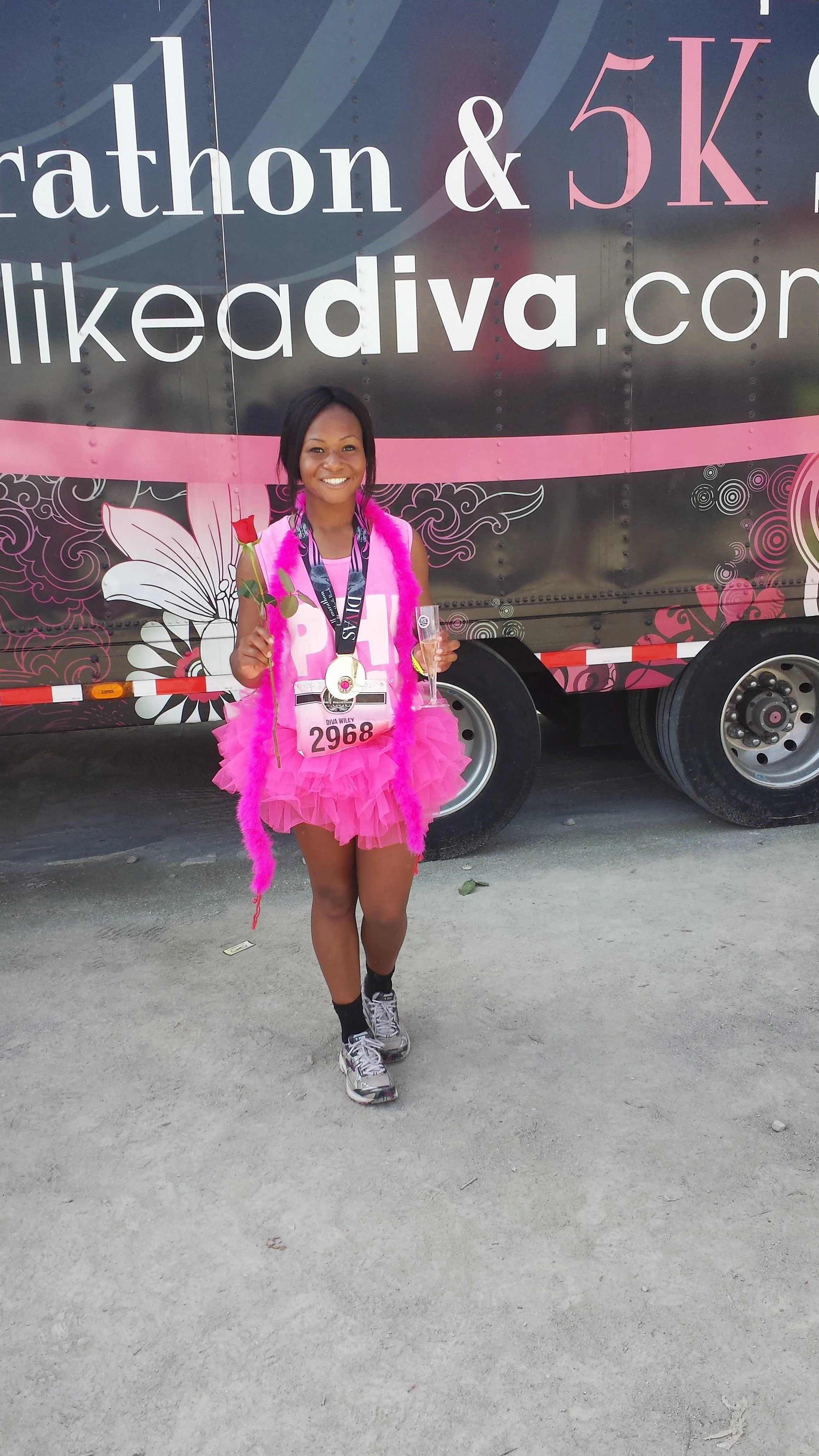
Divas Half Marathon in North Myrtle Beach, SC. April 2014. Photo taken by Linda Wiley.
For a long time, I carried a quiet fear about aging. The kind that creeps in when you hear people say things like, “Don’t get older. It doesn’t get any better.” It’s usually said half-jokingly, but it sticks. I believed it, at least a little. I wondered what it would mean for the way I live my life. Would I have to stop running in my 40s? Would bigger adventures, like hiking Kilimanjaro again, turn into something I used to do, instead of something I could still pursue? Would I slowly be pushed toward smaller, safer, flatter experiences? Would injury become the thing that limits my curiosity? That fear sat in the background for years. But what I’m realizing now is that it’s not aging itself that creates those limitations. It's what we ignore along the way. Because the truth is, a lot of these injuries don’t suddenly appear out of nowhere in your 30s or 40s. They start much earlier.
In my case, I’ve known for years that I needed to work on my hip and foot mobility. It was never a secret. It just never felt urgent. I didn’t have a major injury forcing me to pay attention, so I didn’t. I could still run, hike, ski, and move the way I wanted to. So I told myself it wasn’t that big of a deal. For a while, that worked until it didn’t. Our bodies are incredibly strong. They will adapt to almost anything we ask of them. They will compensate, adjust, and find ways to keep us moving, even when something isn’t working the way it should. That resilience has a limit. Eventually, the body stops negotiating.
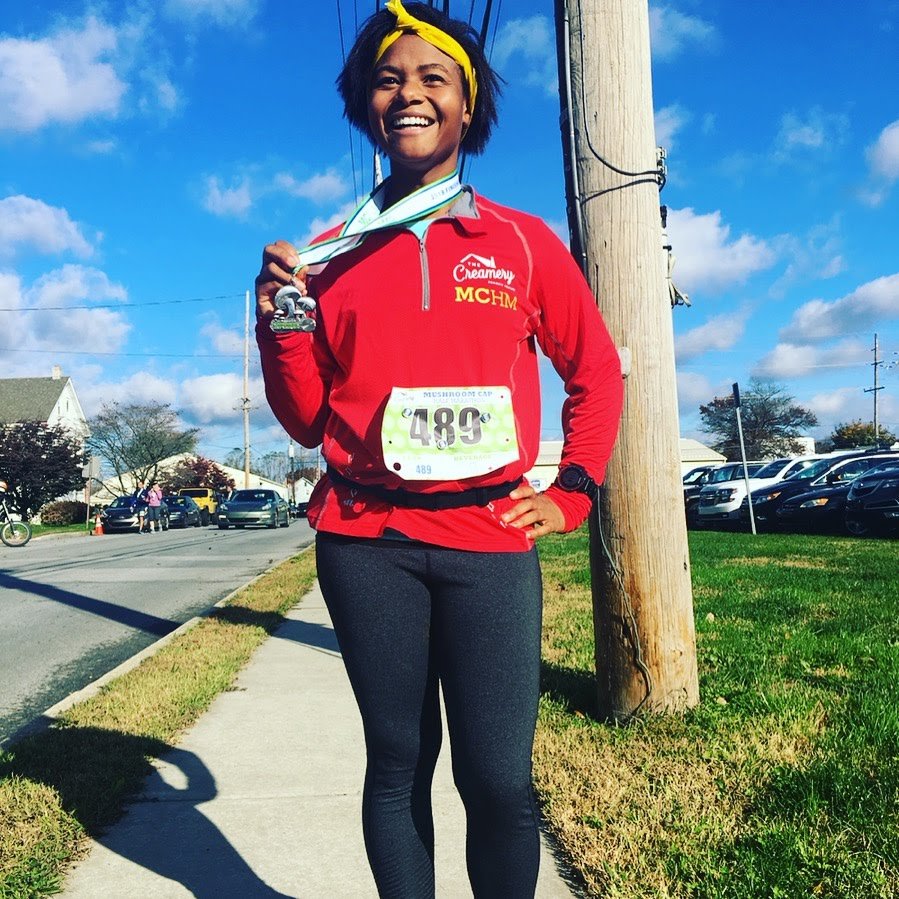
Mushroom Cup Half Marathon in Kennett Square, PA. November 2018.
This injury forced me to stop thinking in terms of short-term fixes and start asking better questions. Not “How do I get rid of this pain as quickly as possible?” But “Why is this happening in the first place?” That shift changed everything. It meant slowing down in ways I wasn’t used to. Taking warm-ups seriously instead of treating them like an optional extra. Spending entire sessions focused on mobility instead of mileage or intensity. Going to more yoga classes than I ever have in a single year. Paying attention to the smaller, less exciting pieces of movement that are easy to skip when everything feels fine. It’s been a slow process. Slower than I would like, if I’m being honest. But there have been moments, small ones, where I can feel things starting to come together. I have days where movement feels more connected and where the pain isn’t the first thing I notice. Where I can see, clearly, that the work is doing something. And that’s where my perspective on aging started to shift.
Aging, I’ve realized, isn’t about decline in the way we often think it is. It’s about feedback. When you’re younger, your body absorbs a lot without much resistance. You can get away with skipping the details. You can push through discomfort and trust that things will bounce back. As you get older, that margin shrinks. Not because your body is failing, but because it’s communicating more clearly. The signals get louder. The consequences get more consistent. The things you ignore don’t stay quiet anymore. If you choose to listen, to actually respond instead of override, something interesting happens. You get better. Not in the sense that everything feels easy all the time, but in the way you move, the way you recover, and the way you understand your body. You become more intentional, aware, and precise. Resilience starts to look less like pushing through pain and more like knowing how to work with your body instead of against it.
I wish more people understood that continuing to explore, move, and seek out adventure well into your 40s, 50s, 60s, and beyond is not only possible, but it’s realistic. However, it requires a shift. You can’t rely on the same habits that worked when you were 22 and expect the same outcomes. You can’t keep ignoring the small signals and hope they don’t turn into something bigger. Longevity isn’t built in peak moments. It’s built in the choices you make when things start to feel off. The warm-ups you don’t skip. The mobility work you don’t rush through. The willingness to step back and address the root of a problem instead of covering it up. If you take care of your body, it continues to expand what’s possible.
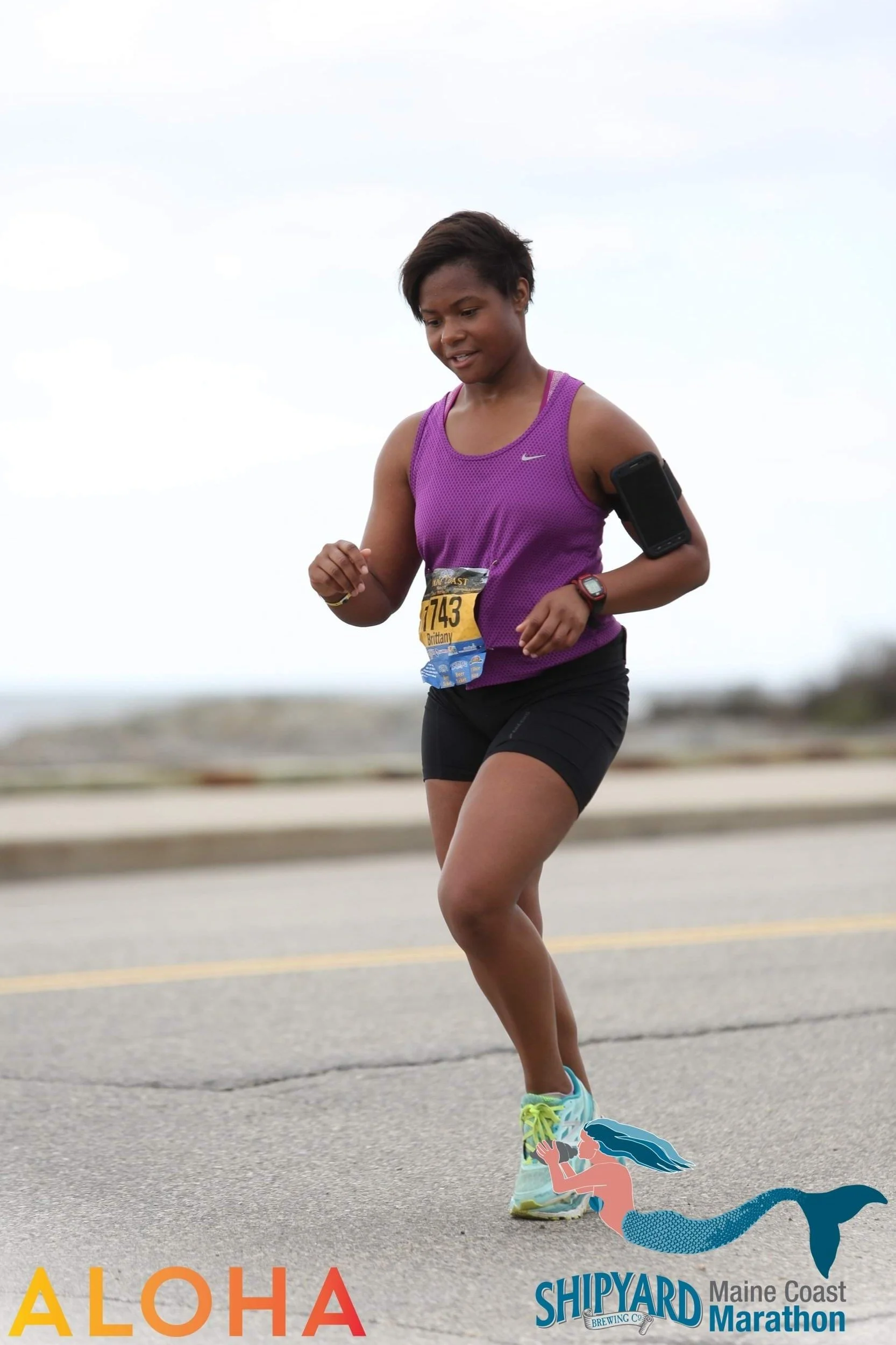
Maine Coast Marathon in Kennebunkport, ME. May 2016. Photo taken by Maine Coast Marathon photographer.
Movement and adventure have always been my North Star. They’ve shaped my life in ways I can’t separate from who I am. They’ve brought me to places that felt almost unreal in their beauty. They’ve introduced me to people who have become some of my closest friends. And every time I’ve pushed myself physically, whether it was running, skiing, hiking, yoga, pilates, or trying something completely new, I’ve learned something about myself that I wouldn’t have discovered any other way. That hasn’t changed. If anything, it’s become clearer. This injury didn’t take that away from me. It refined it. It forced me to slow down, to pay attention, and to invest in the kind of foundation that will let me keep doing these things for years to come. Aging didn’t take anything from me. It clarified what mattered.
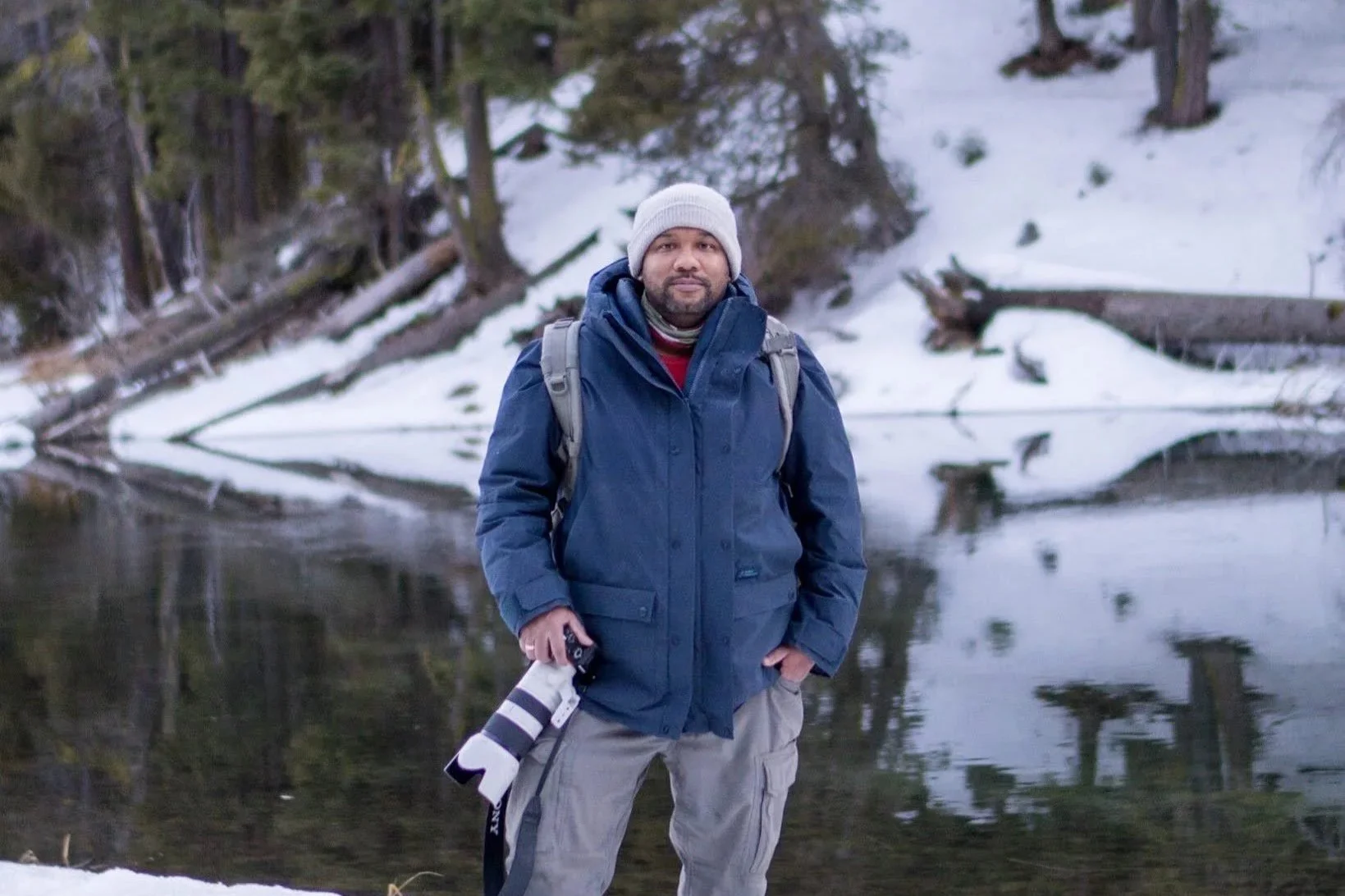
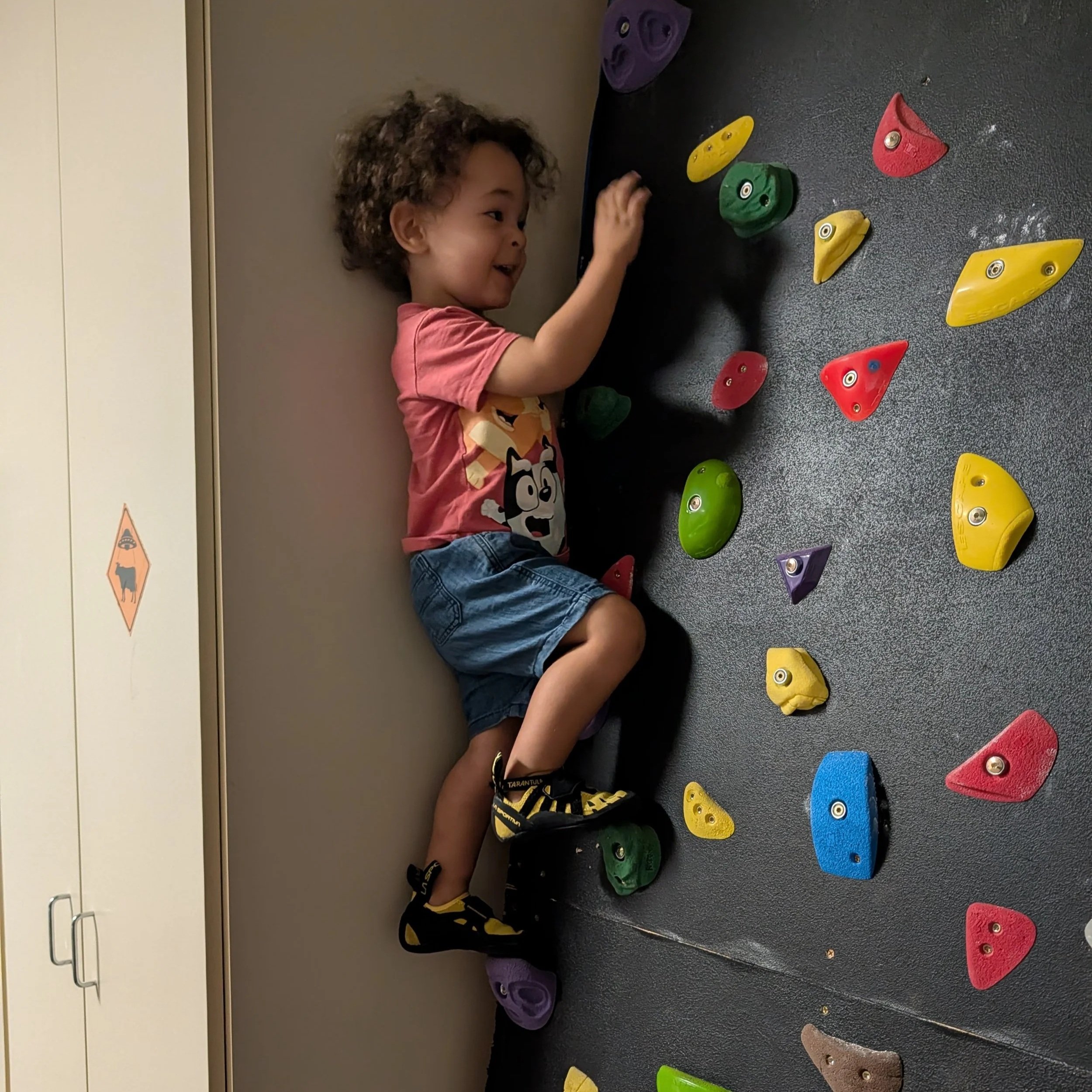
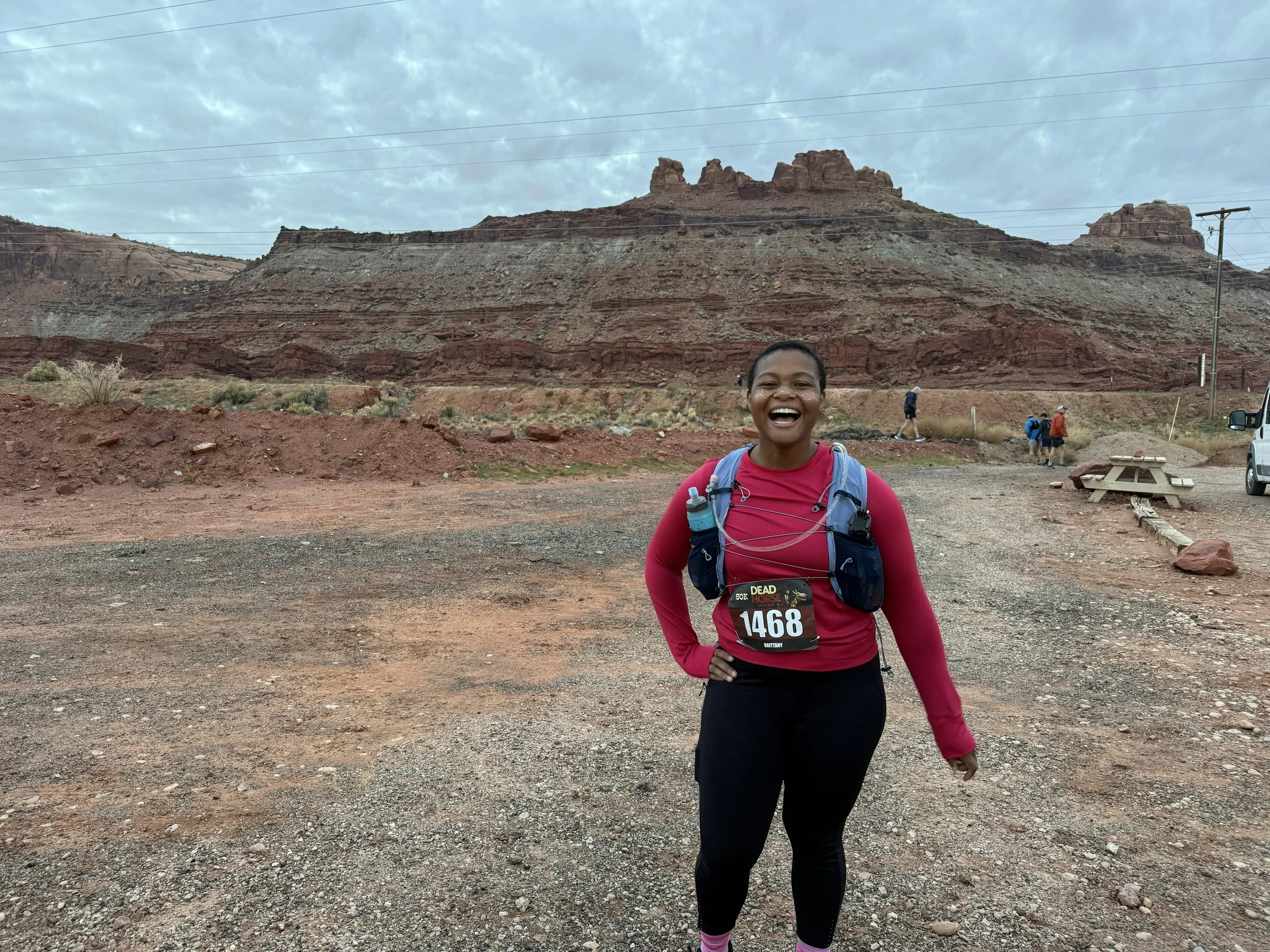
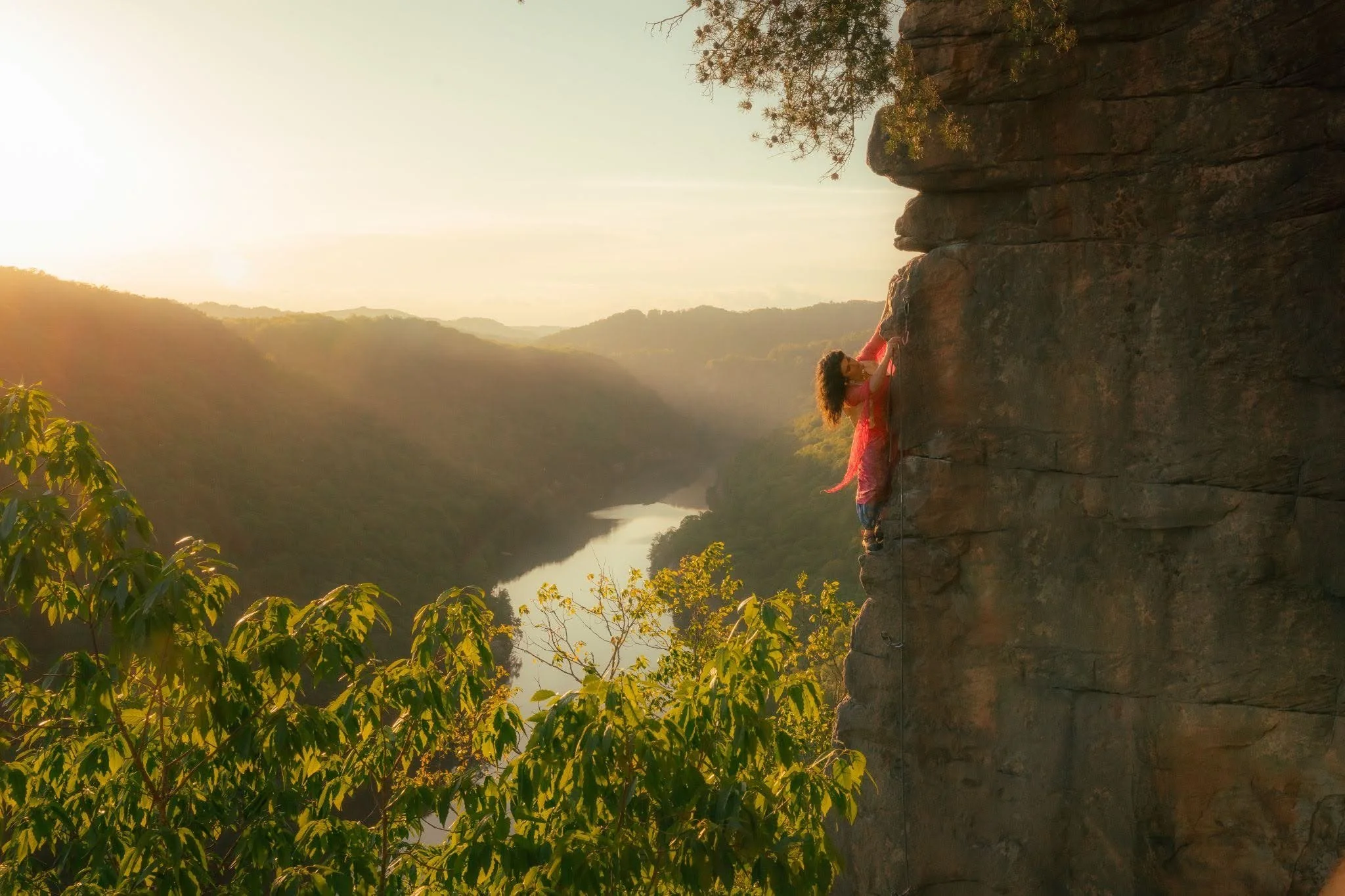
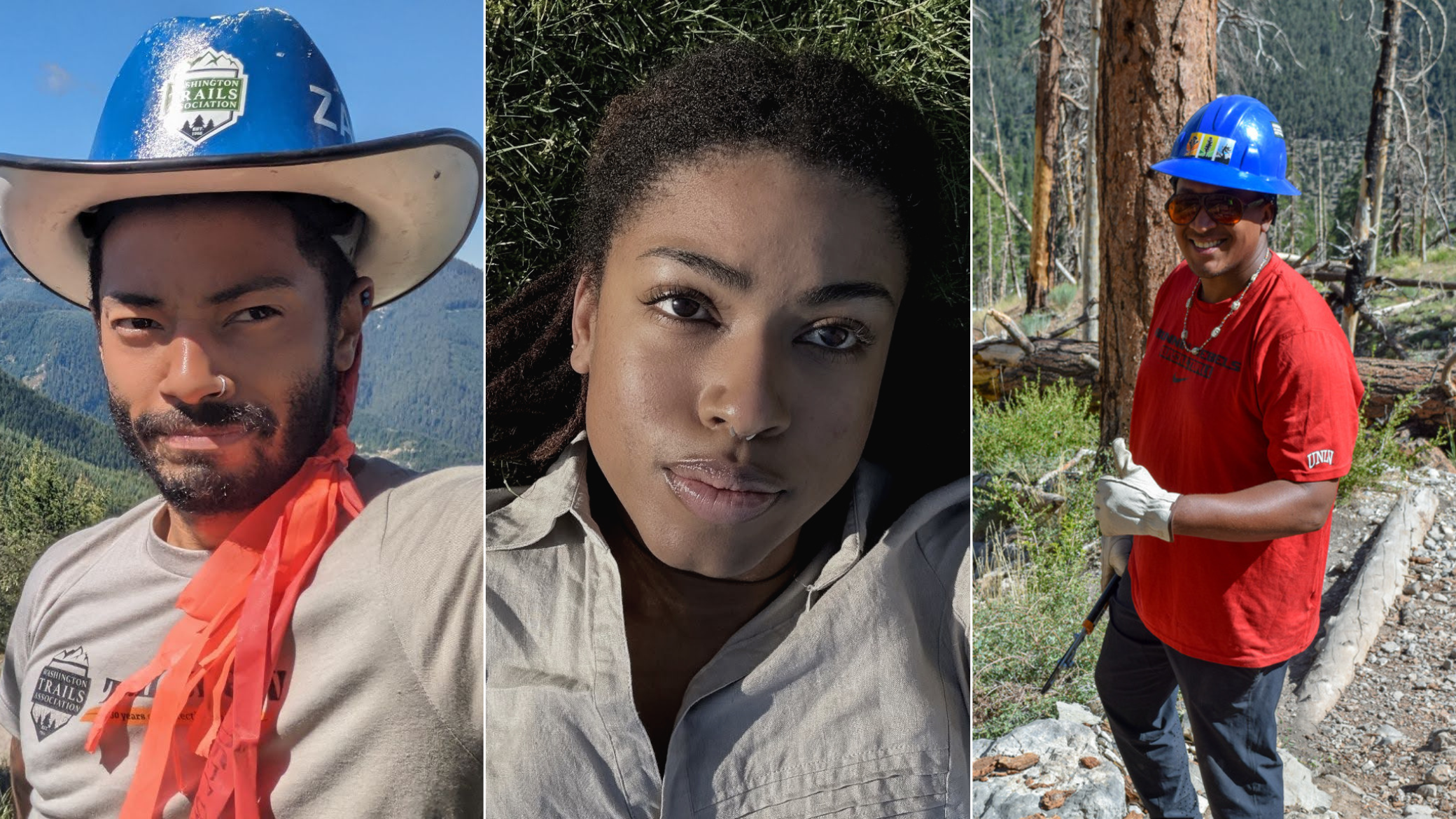
As Allison Williams learns more about her own history, it compels her to honor nature. She does this through environmental stewardship and teaching others how to treat the lands with respect in a realistic and achievable way.