Outdoor Safety: 4 Reasons Why You Should Do It Scared
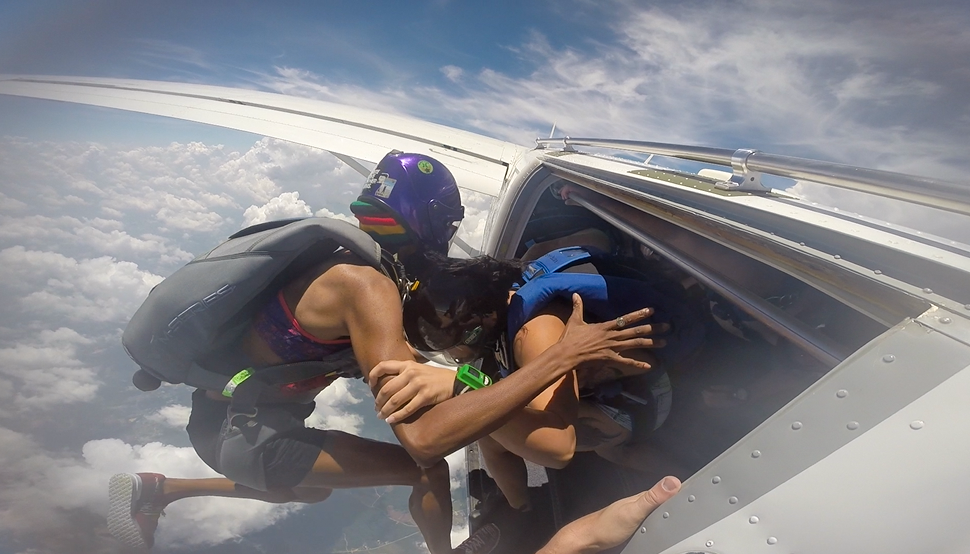
Photo credit: Luke B.
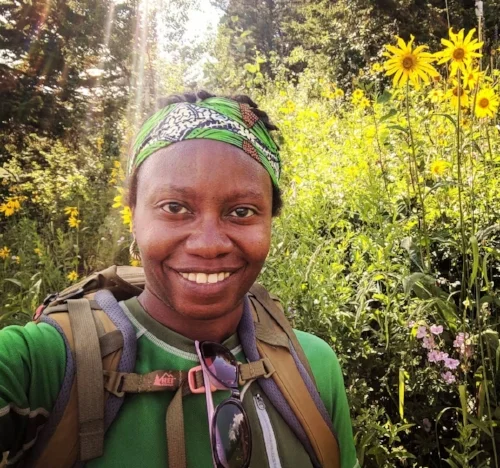
I’m turning 40 next year. I’m definitely at the point in life where I look back on decisions I made in my 20s and early 30s and feel slightly bewildered. What was I thinking? Who was that reckless woman? Why was I always taking my life in my own hands?
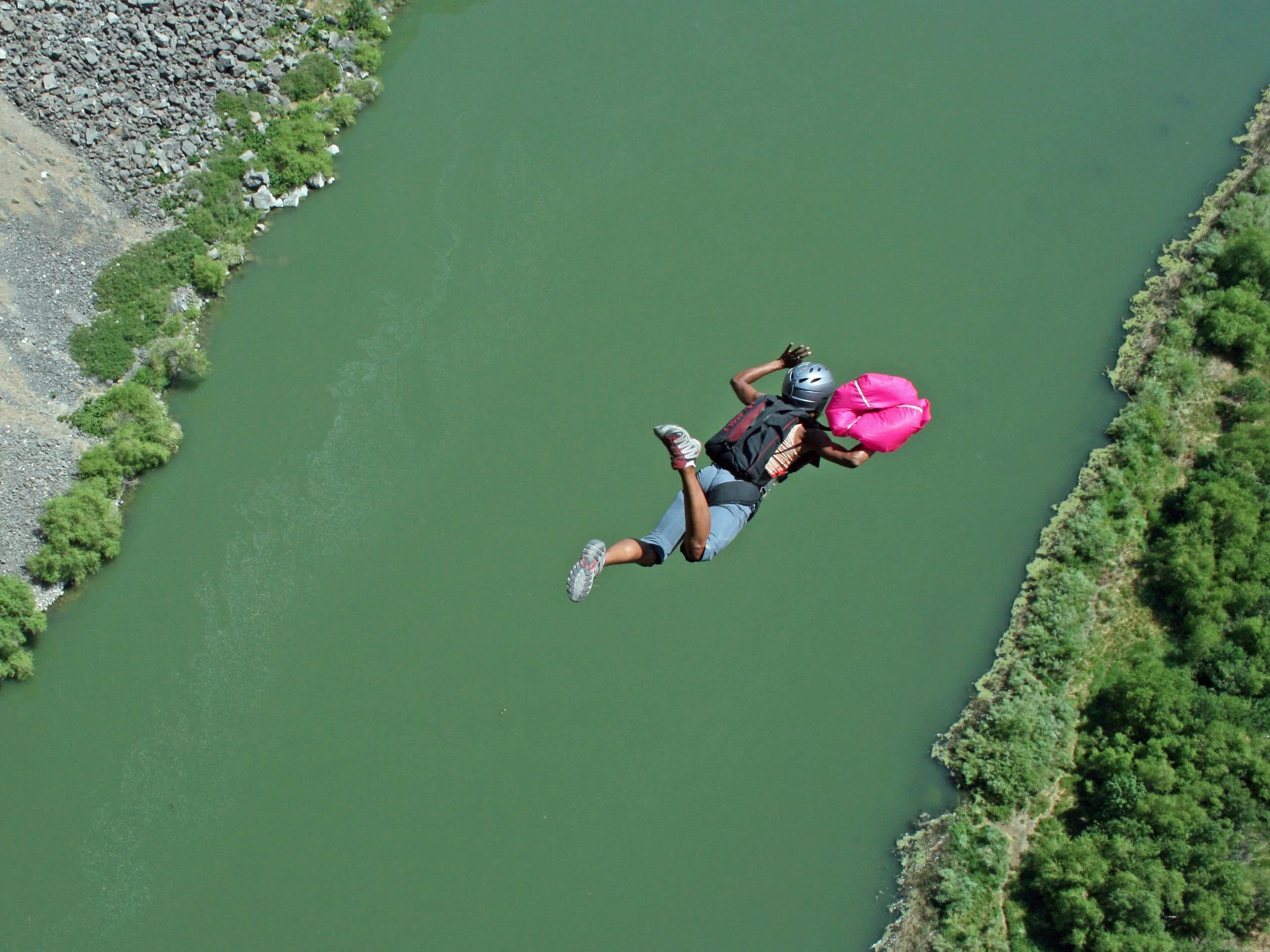
But one thing I will always be proud of was my desire to try new things. Whether it was solo hiking, skydiving or flying, if I could get my money right, I did it.
It’s not that I was a super confident person.
I was scared when I jumped out of my first airplane; and for hundreds of jumps that followed.
I was scared when I hiked alone in bear country.
I was scared on my first solo cross-country in a Cessna.
I don’t think fear is a bad thing. It helps you focus on staying safe. You can absolutely be afraid and still try something new. You should be.
When I look back on that time period, nostalgia can sometimes smooth out the uneven parts that don’t make for a good story. But the truth is, fear was a constant companion. And when I didn’t feel afraid, or at least nervous, I was making poor decisions: Pulling lower to feel something. Scud running. Rock scrambling on wet rock. Not respecting Nature, or gravity.
On the other hand, fear helped me lock in, while building technical skills and improving safety habits. Fear made me better at evaluating risk. It’s why I survived to tell the tale.
The outdoors can be a dangerous place and fear might initially keep you from trying new things. So here are four reasons why you should do it scared.
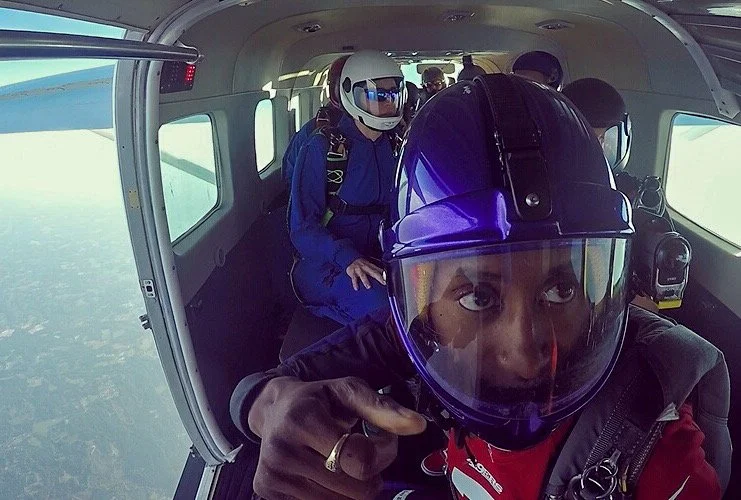
Photo courtesy of Danielle Williams
1. Fear is the beginning, not the end of your story.
I am a quiet, soft-spoken person. I don’t fit the stereotype of a reckless adventure athlete.
When people find out what my hobbies are, they usually do a double take.
My secret is this: I do them scared and uncertain. I don’t need a 100% guaranteed safe outcome to take the next step.
That said, I also like to do my research.
Yes, that’s right. Before I did my first skydive, I read hundreds of incident reports. It was drummed into my head to avoid low turns under canopy before I even started ground school. You don’t have to do this. It’s just who I am.
Before I took my first discovery flight, I was so deep into NTSB business, I had bad dreams about VFR into IMC and graveyard spirals. I knew the stall recovery procedure—at least on paper. Again, not a requirement.
Yes, this is kinda my personality. At the time, I also had a professional background in risk management and a strong personal preference to not make headlines for the wrong reasons as a Black skydiver and student pilot. I had to keep myself safe from danger and my family safe from racist Redditors and Facebook trolls. Survival was the only option.
If you’re not scared at all when thinking about an upcoming solo backpacking trip or your first time lead climbing, you might not be thinking about safety at all. That’s a problem.
Too much fear can stop you from moving forward; block you from your blessings; and keep you from taking that next step.
But the right amount of fear turns into solid preparation and quiet confidence. It can motivate you to read trip reports or go through your packing list one more time. Fear can keep you safe; and remind you to respect Nature for what it is—not your playground.
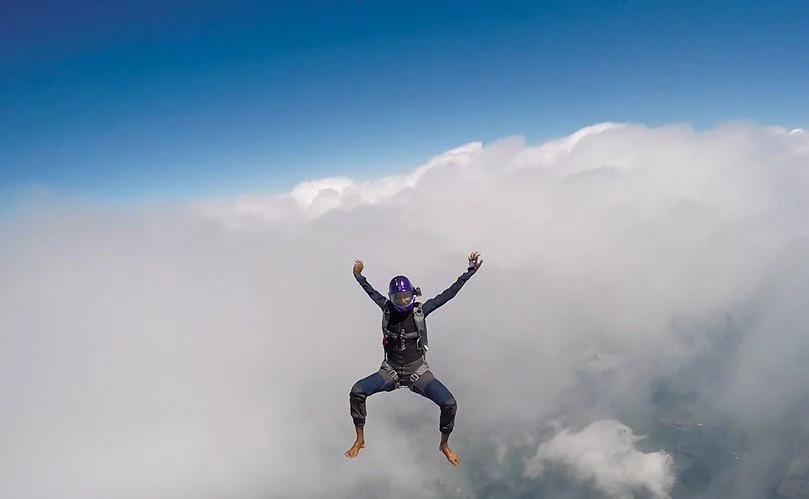
Photo credit: Andy L.
2. Fear keeps you alert and alive.
When I was a brand new skydiver working on my A license, I traveled to a lot of drop zones. Jumping in new places helped me feel comfortable with different gear, aircraft and landing areas. But at the time, I was just curious and loved a good road trip.
Whenever I got close to a new drop zone, I’d get this sinking feeling in the pit of my stomach. All of a sudden, my skin would feel clammy, my mouth dry and my hands would start to sweat. I was scared!
I’d have the same physical symptoms but worse, when I was sitting in the plane, watching more experienced skydivers vanish through the jump door. Or when my parachute opened in a left turn and my body instantly went into fight-or-fight harder mode.
Contrary to popular belief, my fears weren’t keeping me from chasing my dreams. They were keeping me alive.
Want to see how fear impacts people?
Watch a group of skydivers in the plane. We’re not all scared of the same things but we all deal with fear in our own way.
Some of us are scared of messing up a dive flow. Others are worried about landing safely. Or maybe nervous about setting up their 270-degree turn.
We may never talk about our fears, but there will be signs. At 2,500 ft the door opens and the low pass gets out. They have the least amount of time to feel afraid—their skydive is over before it even began. Lucky them. The rest of us are still listening to music, or chatting until around 10,000 ft. Then helmets are adjusted, gear is double checked. And it starts to smell.
Why?
It’s because the release of stress hormones, like cortisol can stimulate your colon causing nervous poops before a game, or nervous farts in the plane—usually right around the time skydivers are making final preparations before their jump. It’s one reason why someone will randomly shout “DOOR” at you. After all, the airplane does need to be aired out even if your fart was discreet and definitely did not smell.
But fear doesn’t just give you bad gas and trembling hands. It also sharpens your hearing and vision and sends extra oxygen to your brain. It floods your bloodstream with nutrients. It dilates your pupils and tenses your muscles. You are ready to spring into action — or in case of skydiving, to save your own life, react to gear malfunctions and make it to the formation on time.
Fear will save your life.
Even though you feel shaky now, it is giving you a chemical boost that you need to react quickly to dangerous situations.
When the time comes, you’ll be ready to self arrest on the ice, hand fly the ILS approach or flush yourself out of a hydraulic.
You won’t panic when you hear “FALLING” from above and you’re suddenly pulled off your feet
Fear will keep you and others safe.
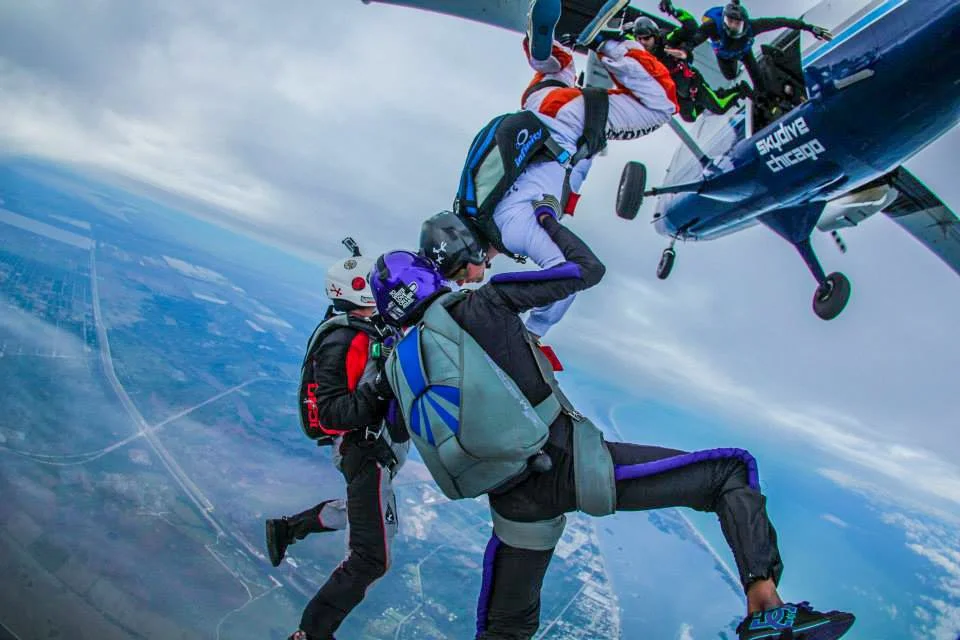
Photo credit: James Stremmel
3. Fear helps you make smart decisions.
Once upon a time I stopped being scared during skydives. This was back around 400-500 jumps.
I even joked and laughed with friends during takeoff—the part of the skydive that always felt slightly terrifying to me.
I began pulling lower and lower. Just to feel something. I witnessed other people do this as well including another skydiver who landed with two parachutes out after losing track of altitude.
There's nothing wrong with feeling more confident but when skydiving started to feel less risky, I started making riskier decisions.
I made last minute changes to dive plans, switching exits, adding strangers, or figuring it out in the plane instead of on the ground. I frequently finished gearing up in the plane and once jumped without an altimeter.
I boarded a Cessna at dusk and found myself on an unexpected night jump in the Cascades without the correct gear. People on the ground sprang into action to light up the landing area with their headlights and save our lives.
I wasn’t the only person acting recklessly.
This behavior is supported by studies that found drivers tend to speed more in cars with advanced safety features like airbags and seat belts. It’s a phenomenon known as risk compensation.
You also see it in outdoor recreation.
We sometimes try to maintain the same level of perceived risk that the sport had for us as beginners. We want the fear we felt in the beginning.
@utena86 Midweek jumps to clear my head. Sometimes I need the reminder to touch grass.
♬ Chronically Cautious by Braden Bales - Elyse Myers
When you lose your fear, you start making reckless decisions to get it back.
Then a skydiver passed away at my drop zone in a horrific accident. It was a preventable death that could’ve been caught by a gear check. I wasn’t there that day but I was definitely part of creating a culture where experienced skydivers did our own gear checks—without accepting help from others.
Suddenly I felt nervous on takeoff and when the plane slowed on jump run. I felt the cortisol spike each time my chute opened and when I turned on final to land.
No, not the same fear as in the beginning but enough to get my attention.
I am 14 years into the sport at this point. I’ve lost several instructors, acquaintances and friends. Age has also helped reset the fear that I used to chase with questionable decision making in my 20s and early 30s. I don’t have to go looking for it anymore.
I no longer feel invincible.
That twisting feeling in the pit of my stomach is now a reminder to repeat gear checks, to scan the ground for possible “outs” and to ask strangers about their experience before I jump with them. I know that it’s usually not one mistake that leads to injury or death but a chain of events. So I try not to change too many variables on any given jump.
These days, I gear up and make my dive plans on the ground, thank you very much. And I do a lot of low passes to work on canopy skills and reduce the physical and mental load. Short, simple and fewer people to keep track of.
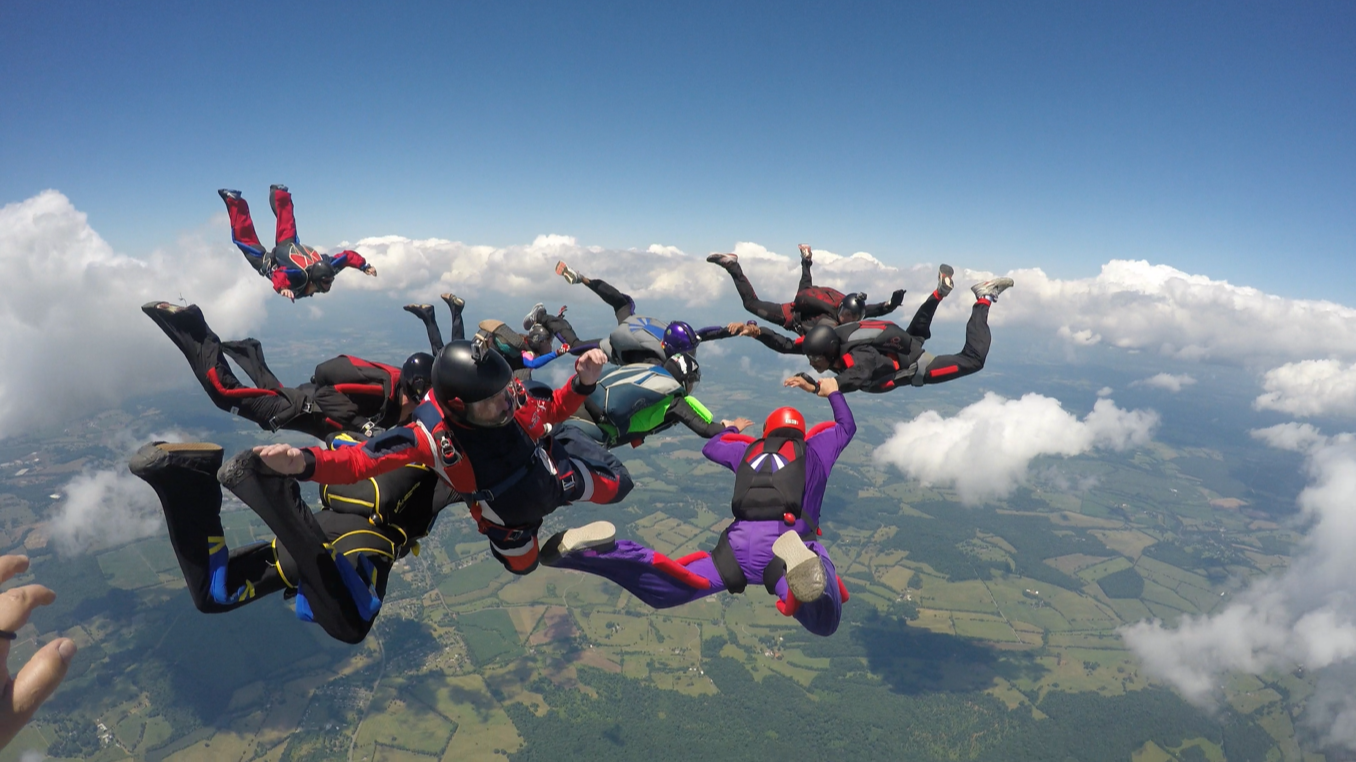
I may look fearless—barefoot and no helmet—but I am just the opposite.
I respect the high-risk environment I operate in. You should too. Nature isn’t always forgiving. But if you do get the chance to learn from a serious mistake, don’t pass it up.
Zoo dive. Photo credit: unknown
4. Fear is a learning curve. Mistakes happen!
I almost lost my life to an aviation mistake, and it’s a story I’ll never forget.
When I had a few hundred skydives under my belt, a stranger — our stand-in jump pilot — offered to take me on a short flight. It was in a single-engine, glass cockpit commuter aircraft, so of course I said yes. This was at night after a long day of skydiving.
When he started taxiing, the plane went nowhere. That’s because he had forgotten to undo the tie down on his side of the aircraft.
I had already untied the other two, but I climbed out and took care of it. Then I got back in.
We taxied to the hold short line just before entering the runway. That’s when I glanced over and noticed the gust lock was still on. It’s a bright red device that locks the flight controls and protects fragile parts of the aircraft from the wind while the plane is parked. Trying to take off with locked flight controls is extremely dangerous. It’s not a survivable mistake. Removing the gust lock is part of the pre-flight checklist. However, the pilot hadn’t bothered to do one. And I had stayed silent.
I had maybe five hours of flight time at this point—I was no expert. I was also someone who tended to defer to the expertise of others—especially if they were an experienced pilot and I was not.
But for once in my life I spoke up. That day, I saved my own life, and his.
I think about this story a lot. It reminds me of how important fear should be when learning something new in a high-risk environment. If you are afraid, you stick to checklists and don’t skip steps. You double check your gear and equipment—especially if you’re tired or in a hurry. You don’t rely on shortcuts or normalization of deviance (i.e. - I skip this step all the time and nothing bad has ever happened).
It also reminds me that fear should always trump politeness in high-risk environments. Because what I did next still shocks me to this day. I ignored my survival instincts and did a 20-min flight with the stranger who had almost gotten me killed. Why? Because I was young and polite and felt trapped. Sigh.
If you’re lucky, fear can be a learning curve. You survive your mistakes and learn how to make better decisions next time to keep yourself safe.
I think time has taught me just how much fear can be a guiding light. The next time you feel afraid, think about the steps you need to take to stay safe outdoors.








The outdoors can be a dangerous place and fear might initially keep you from trying new things. So here are four reasons why you should do it scared.