Tsalani Lassiter: Adventure Photographer and Storyteller
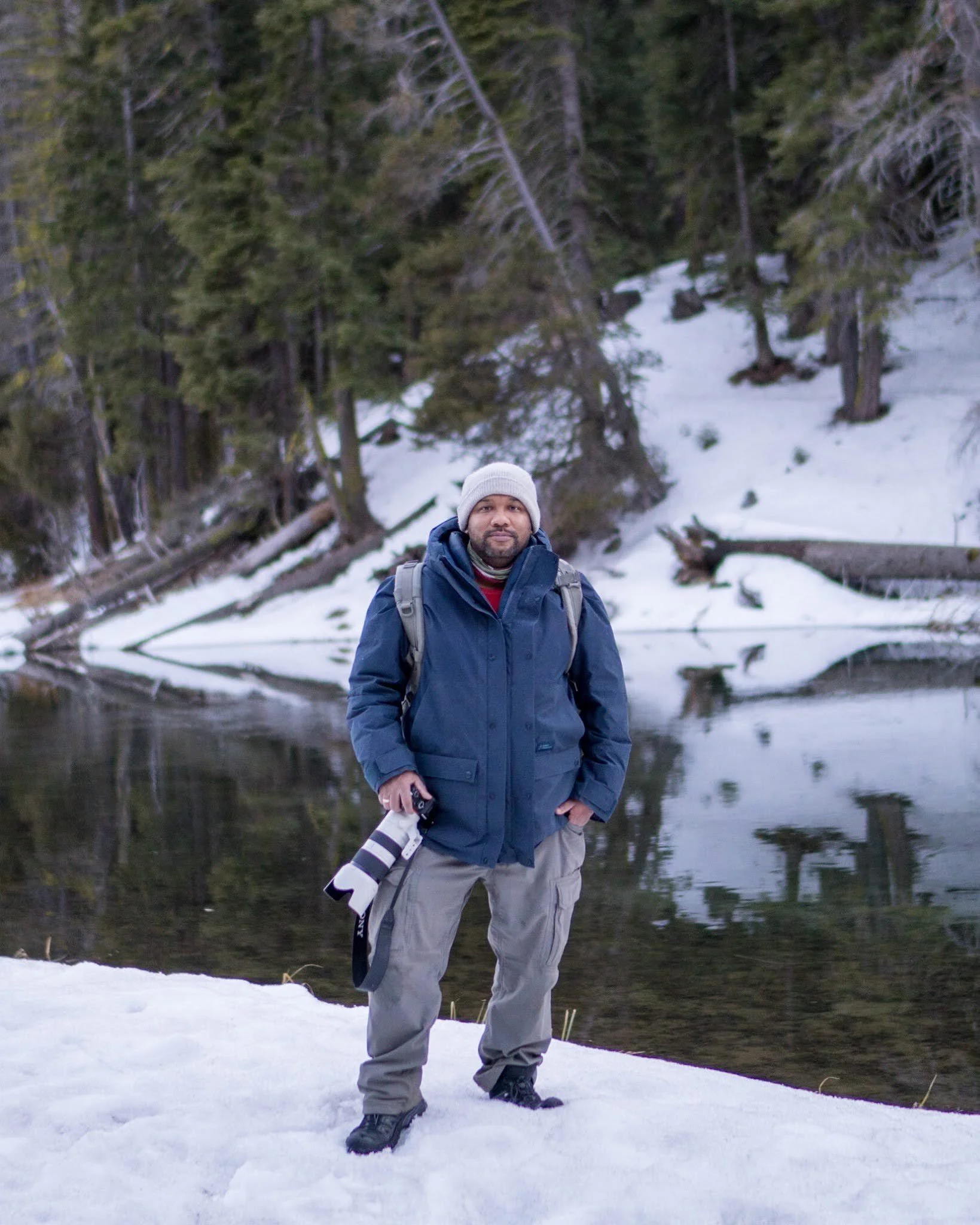
Photo Credit: Tsalani Lassiter
Who gets to tell the stories of the Black community?
In the U.S., our stories have long been recorded by outsiders, with pen and paper, phonographs, or telescopic cameras. Early black photographers like Gordon Parks, Ming Smith, and James Van Der Zee helped change that. They captured images that did more than document poverty and racism; they revealed elegance and pride within Black communities. Their work matters today more than ever. At a moment when efforts to erase Black history from textbooks and public discourse are ongoing, visual storytelling has become both an act of resistance and preservation for future generations.
Tsalani, a Sacramento-based photographer’s images of Black and Brown people flourishing that are powerful. Especially when the backdrops are spaces where others say we don't belong. Tsalani's path to photography has come full circle. Born in San Francisco. His mom was a Peruvian artist and his father a Black computer tech. His mother encouraged Tsalani to embrace his creative side.
After an initial career in tech, Tsalani decided to buy a camera to start exploring. In 2016, he and his wife moved into a Sprinter van and traveled cross-country while Tsalani pursued becoming a travel/ adventure photographer. It was during his travels that he came face-to-face with discrimination.
Adversity As a Black Photographer
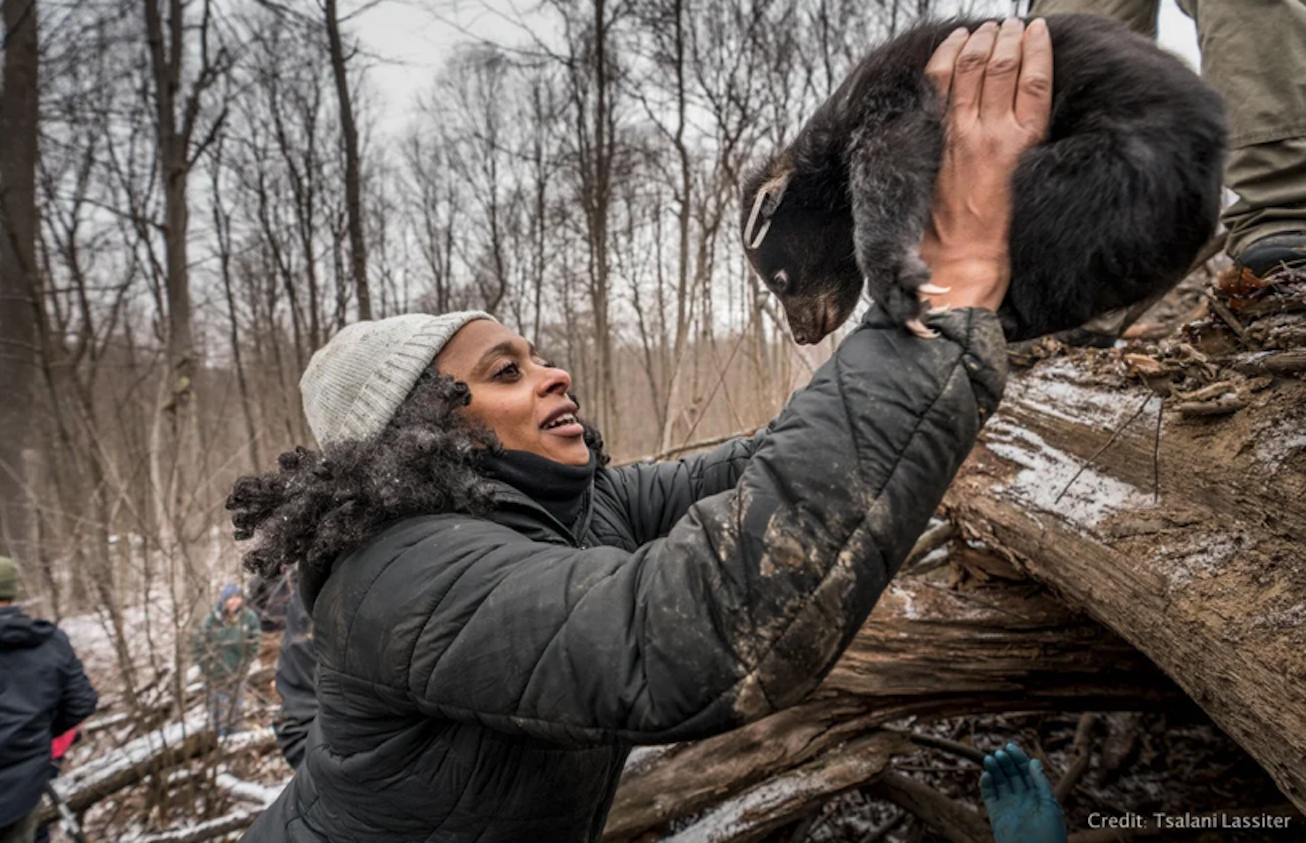
Photo Credit: Tsalani Lassiter
While filming bears near Lake Tahoe, a woman accused him of killing and hiding bears in his van. In the Grand Tetons, park rangers approached him after someone reported that a Black man had kidnapped a person and stolen a phone. At the time, Tsalani was photographing a storm timelapse, alone. On another occasion, a national park volunteer confronted him for standing just off the road, even as several white tourists stood in the identical spot, unbothered. A ranger eventually intervened on his behalf, but this is a reminder of exactly why Black representation in these spaces matters.
Tsalani is outspoken about how much harder the industry can be for Black creators. Early in his career, visibility felt out of reach. Brands often only come around for Black History Month or Juneteenth, a pattern he finds more performative than meaningful. Algorithms intensify this because it’s built by a society that tends to mass reproduce biases.
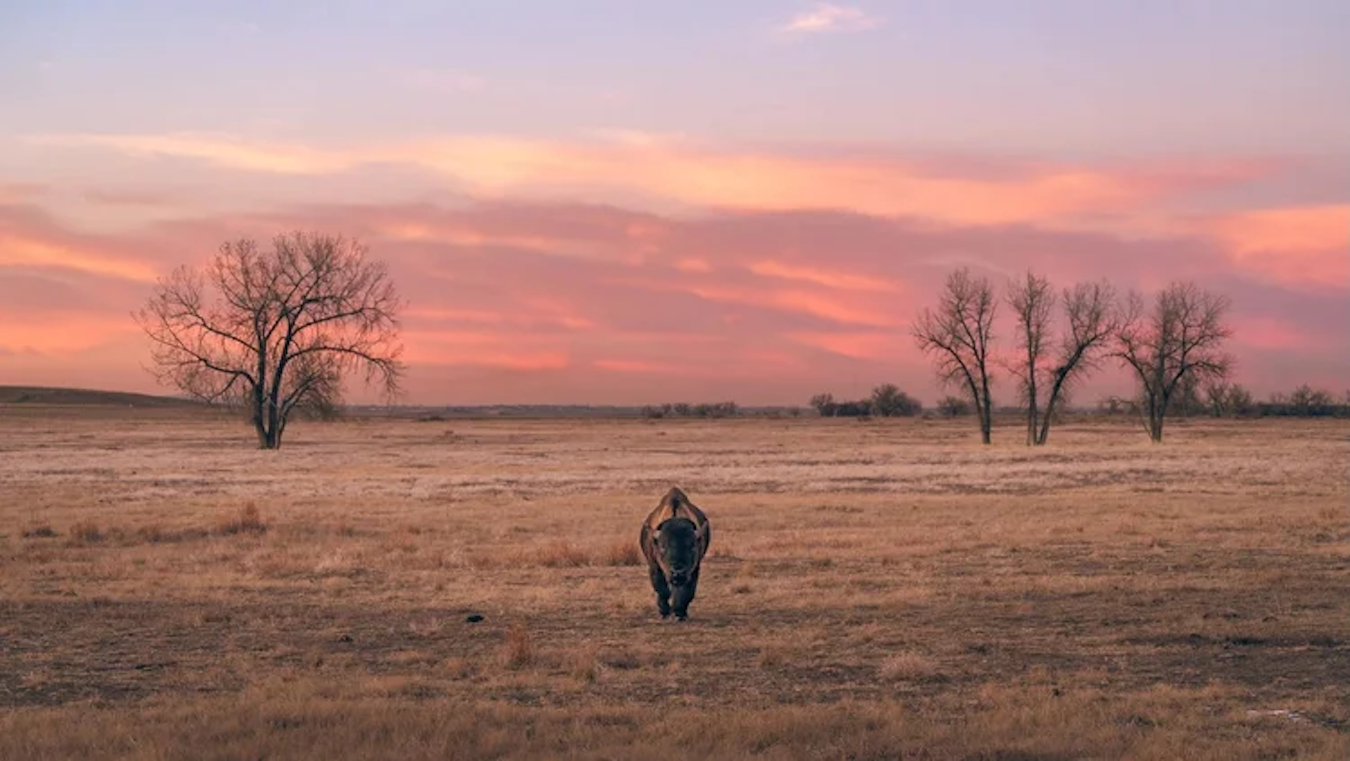
Buffalo roams. Photo Credit: Tsalani Lassiter
There’s also constant pressure to prove your competence. “It feels like when you’re the only black person in the room, people second guess you,”he added. It’s a pressure that a lot of Black people can relate to when existing in spaces where they are labeled as not belonging. With that come negative assumptions about skill level and knowledge.
Then there’s the social isolation. For a long while Tsalani felt like he was one of the only Black photographers working in outdoor and nature spaces, only to slowly discover a whole community of peers who simply never surfaced in his social media feed.
Tsalani has worked with brands like Patagonia, Scholastic Magazine, Sony Alpha and National Geographic, to include working alongside large carnivore ecologist Rae Wynn-Grant while she studied bears in Lake Tahoe, California.
With his success in these projects, he felt himself being placed into a niche as he became known as the bear guy. He considers himself to be much more than that, he is a photographer, versatile in his works creating from his heart and passion to help showcase others.
In 2020, as momentum was building for him as an artist on Instagram, Covid brought everything to a halt. Then the murder of George Floyd landed in the middle of that stillness. Carrying the familiar weight of feeling like he had to work twice as hard as his white peers just to be seen, he posted about his own experiences on Instagram. The response was immediate and overwhelming because others were stunned by his stories, telling him they weren’t aware of what was going on. That reaction became a turning point. It made clear to him that sharing his story wasn't optional; it was a responsibility, a way of using whatever platform he had to make the path a little easier for the next black photographer.
Goals and Ambitions
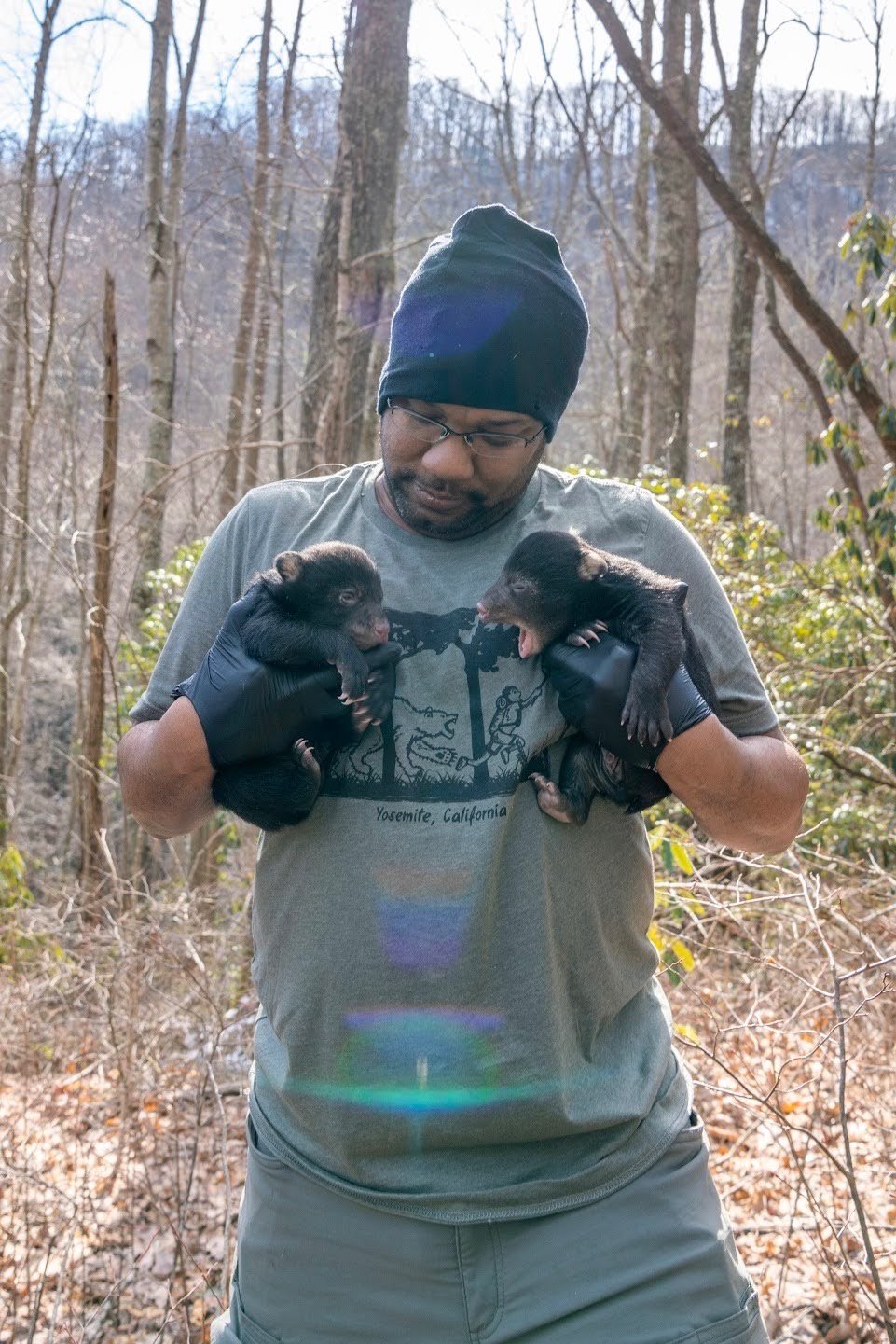
Photo Credit: Tsalani Lassiter.
His long-term ambition is to produce a documentary series, spotlighting Black people in nontraditional fields, including the outdoors, research science, and technical crafts, building a repository of short films large enough to function as its own platform. Commercial work pays the bills in the meantime, but the underlying goal hasn't changed: create a space where young people can see themselves reflected in industries they might never have considered and find role models they didn't know existed.
He chooses his subjects carefully, looking for people who are authentic role models, whose stories are logistically possible to capture, and who are genuinely willing to be vulnerable on camera. When someone tries to control or polish their narrative rather than tell it honestly, he works to guide them toward openness rather than walking away.
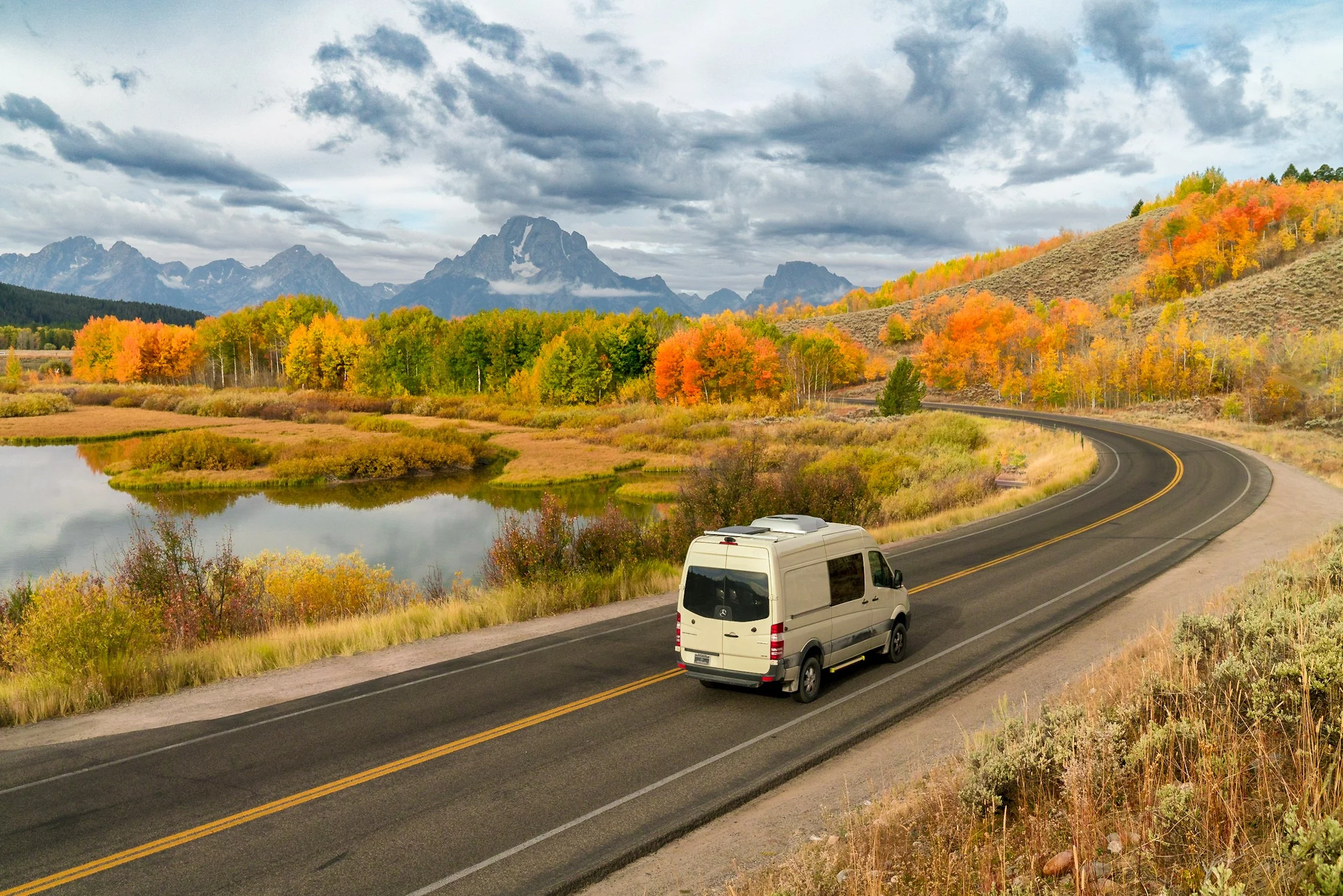
Photo Credit: Tsalani Lassiter
Tsalani is currently building out two major passion projects: Invisible Tide and Veins of Society. He’s doing a piece on a Black and Indigenous fly-fishing guide, focusing on his journey from losing his connection to nature, climbing the corporate ladder, reconnecting to the outdoors, and ultimately becoming a guide who helps others get onto the water and connect with nature. He’s also documenting a high-end Black dog trainer. There is a stereotype surrounding Black people and dogs, specifically that we only own certain breeds or engage in negative dog culture. Tsalani thinks it’s essential to highlight the trainer’s work spanning everything from household obedience to high level protection and police working dogs, breaking the pattern of what a black dog owner looks like. Additionally, this fall he’ll be filming a Black woman who purchased a ranch and is farming and raising livestock to provide for her family.
Gear and Advice
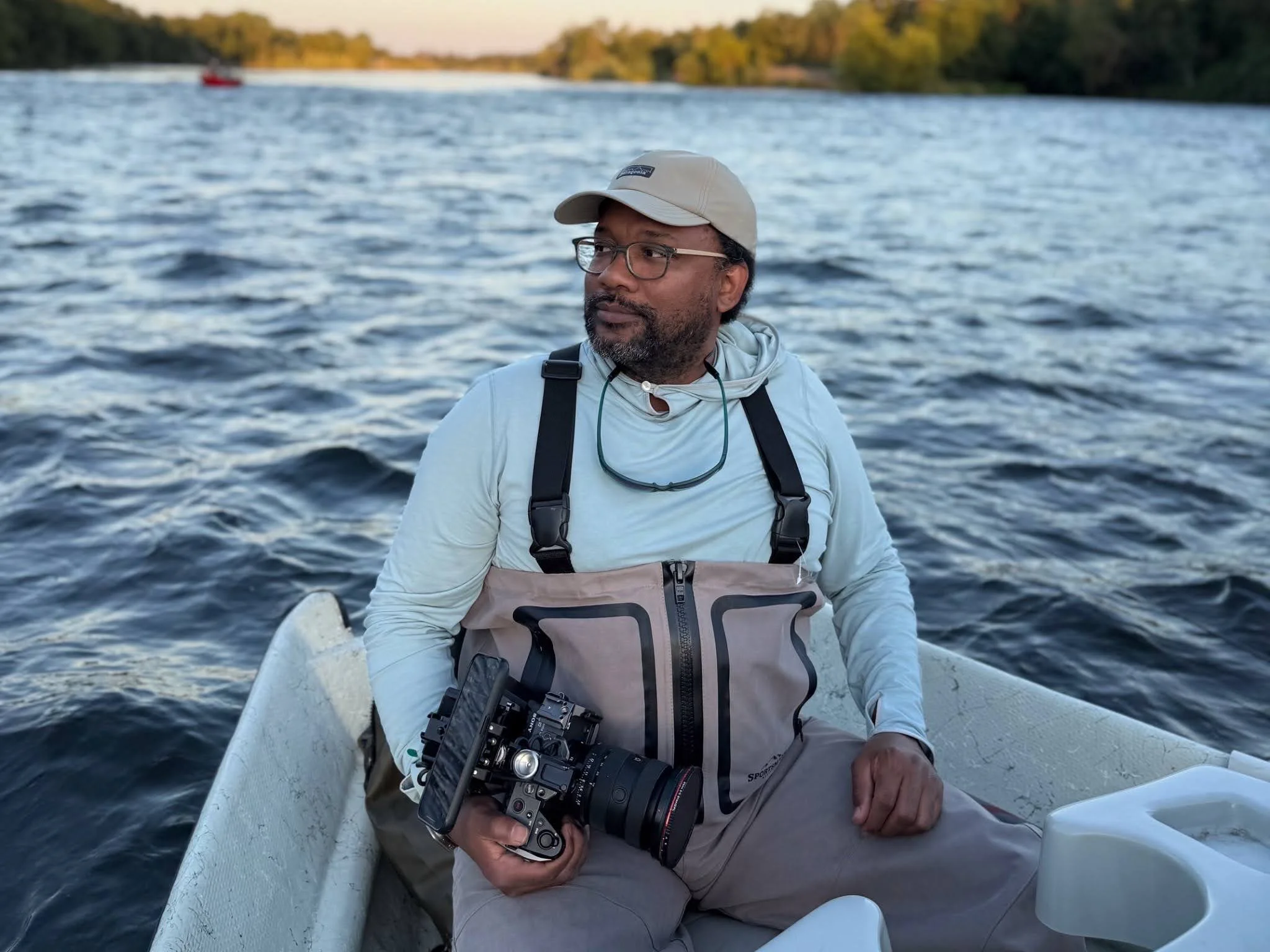
Photo Credit: Tsalani Lassiter
“Honestly, gear doesn’t matter. You can probably get the shot with your iPhone...”
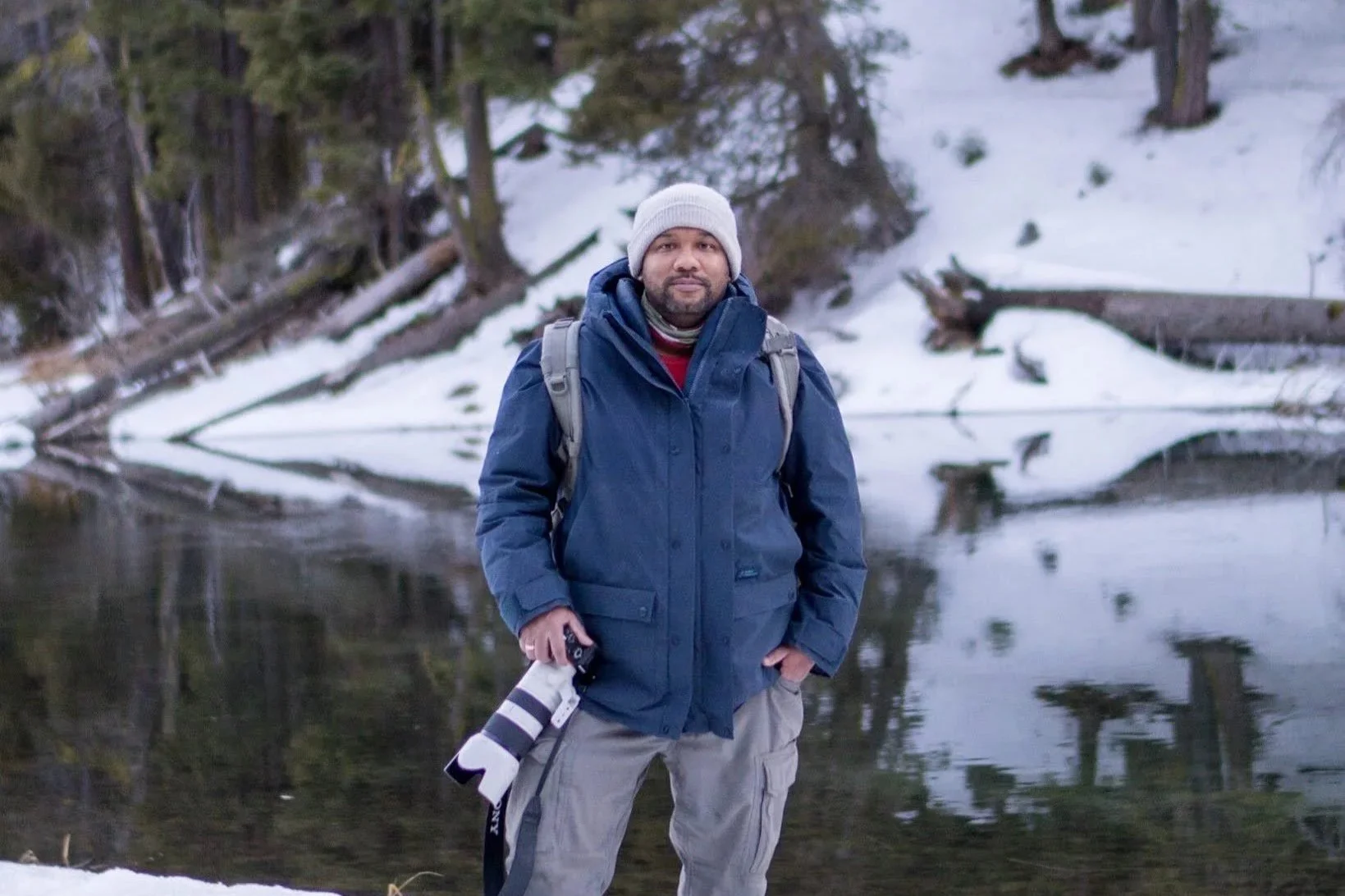
Tsalani’s main camera setup is the Sony A7R III and the Sony FX30 for video. He is looking forward to upgrading the FX5 when it’s announced. He emphasizes that the type of gear isn’t extremely important. He hasn’t upgraded his cameras for years and does not always buy the latest model. Society thinks having the newest model of equipment is necessary but for him not having nemyw gear doesn’t stand in the way of him selling his work. He believes there are so many other factors to getting the perfect shot. You’ve got to be prepared. Lighting, subject matter, composition and a little touch of luck can make everything fall into place; your camera is just the base element in photography. He says, “honestly, gear doesn’t matter. You can probably get the shot with your iPhone, that’s much better than having the most expensive camera but not knowing any of the rest.”
Throughout the course of his journey in the field his advice to black photographers starting out is direct: “Go for it without hesitation!” He believes, without qualification, black creators bring something distinct to photographic work. We have a very different perspective and can excel behind the lens. Our diversity, struggles, accomplishments and lived experience make our community innately creative. In the end, Tsalani's work returns to the same principle that guided early black photographers. A passion to share and document the stories of our culture.
You can find out more about Tsalani and his journey on his website https://www.tsalani.com or on Instagram
As Allison Williams learns more about her own history, it compels her to honor nature. She does this through environmental stewardship and teaching others how to treat the lands with respect in a realistic and achievable way.